The Lifetime Question: When Your Appliance Repair Technician Should Recommend the Scrap Heap
- David Michell
- Dec 2, 2025
- 3 min read

Every homeowner faces a tough decision when a kitchen appliance breaks down: should they repair it or replace it? This dilemma often arises during domestic appliance repairs, especially with essential items like washing machines, dishwashers, fridges, and electric ovens. Knowing when a technician suggests sending an appliance to the scrap heap can save money, time, and frustration. This article explores the key factors that influence this decision and offers practical advice for homeowners navigating kitchen appliance repair or replacement.

Understanding the Value of Domestic Appliance Repairs
Domestic appliance repairs can extend the life of your kitchen appliances significantly. For example, a simple oven repair or fixing a dishwasher’s motor can restore functionality without the cost of a new unit. However, repair costs sometimes approach or exceed the price of a replacement, especially for older models or those with multiple issues.
Technicians evaluate several factors during kitchen appliance repair visits:
Age of the appliance
Frequency of breakdowns
Cost of parts and labor
Energy efficiency of the current model
Availability of replacement parts
When these factors point toward diminishing returns, the technician may recommend scrapping the appliance.
Signs Your Washing Machine or Washer Dryer Should Be Replaced
Washing machines and washer dryers endure heavy use, making them prone to wear and tear. Some signs that suggest replacement over repair include:
Persistent leaks despite multiple repairs
Loud noises indicating motor or drum failure
Inefficient washing cycles leading to poor cleaning
Frequent breakdowns within a short period
If the cost of repairing a washing machine or washer dryer exceeds 50% of its replacement price, technicians often advise scrapping it. Additionally, older models consume more electricity and water, so upgrading can reduce utility bills.
When Dishwashers and Fridges Reach the End of Their Lifespan
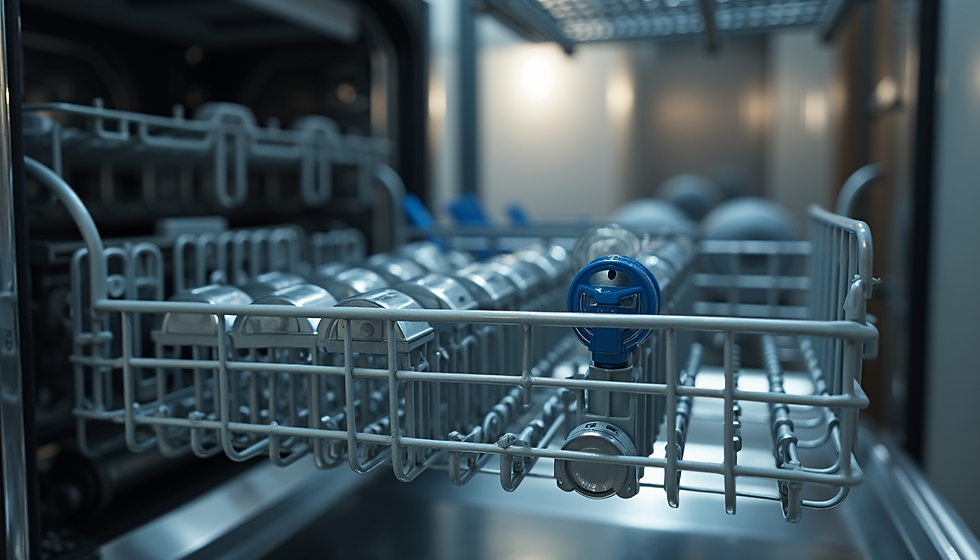
Dishwashers and fridges are vital kitchen appliances that require reliable performance. Repairing a dishwasher might involve fixing pumps, seals, or electronic controls. For fridges, common repairs include compressor replacement or thermostat fixes.
Technicians recommend scrapping these appliances when:
The fridge or freezer no longer maintains consistent temperatures
Repair costs are high due to rare or obsolete parts
The dishwasher leaks or fails to drain properly after multiple repairs
Energy consumption is significantly higher than newer models
Replacing an inefficient fridge or freezer can lead to substantial energy savings and improved food preservation.
Evaluating Electric Oven and Cooker Repairs
Electric ovens and cookers are complex appliances with heating elements, thermostats, and electronic controls. Oven repair can be straightforward, such as replacing a heating element, or complicated if the control board fails.
Technicians suggest scrapping electric ovens or cookers when:
Multiple components fail simultaneously
Repair costs approach the price of a new unit
The appliance lacks modern safety features
The oven’s performance is inconsistent or unsafe
Upgrading to a newer electric cooker model often improves cooking precision and energy efficiency.
The Role of Installation and Extractor Maintenance
Proper installation and maintenance of kitchen appliances, including extractors and tumble dryers, affect their longevity. Poor installation can cause early failures, while neglecting extractor cleaning leads to reduced air quality and appliance strain.
Technicians may recommend replacing extractors or tumble dryers when:
The motor or fan is damaged beyond economical repair
The appliance is outdated and inefficient
Safety concerns arise from electrical faults
Regular maintenance and professional installation can delay the need for replacement.
Making the Decision: Repair or Replace?
Deciding whether to repair or scrap a kitchen appliance depends on a balance of cost, reliability, and safety. Homeowners should consider:
The appliance’s age: Most washing machines, fridges, and ovens last 8-12 years.
Repair history: Frequent repairs indicate underlying issues.
Energy efficiency: Newer models reduce utility bills.
Safety risks: Faulty electric cookers or extractors pose hazards.
Environmental impact: Recycling old appliances responsibly is important.
Consulting a trusted technician during domestic appliance repairs helps clarify these points. They provide expert advice tailored to each appliance’s condition.
Practical Tips for Homeowners
To make informed decisions about kitchen appliance repair or replacement, keep these tips in mind:
Schedule regular maintenance to extend appliance life.
Compare repair costs with new appliance prices.
Ask about warranties on repairs and new installations.
Consider energy ratings when replacing appliances.
Use certified technicians for installation and repairs.
These steps ensure appliances like tumble dryers, freezers, and dishwashers operate efficiently and safely.


Comments